
Why compostable
Made with plant starch,
made to return to the soil.
Our bags are made from corn starch and plant-based PLA, blended with compostable PBAT and PHA. In composting conditions they break down in about 180 days, instead of staying in the environment for centuries. Here’s how that works, honestly.

What they’re made of
Plant starch in,
compostable by design.
Ordinary plastic bags are made from fossil fuels. Ours are made from corn starch and plant-based PLA, blended with compostable PBAT and PHA, then turned into granules, film and bags.
Explore our raw materials-
 01
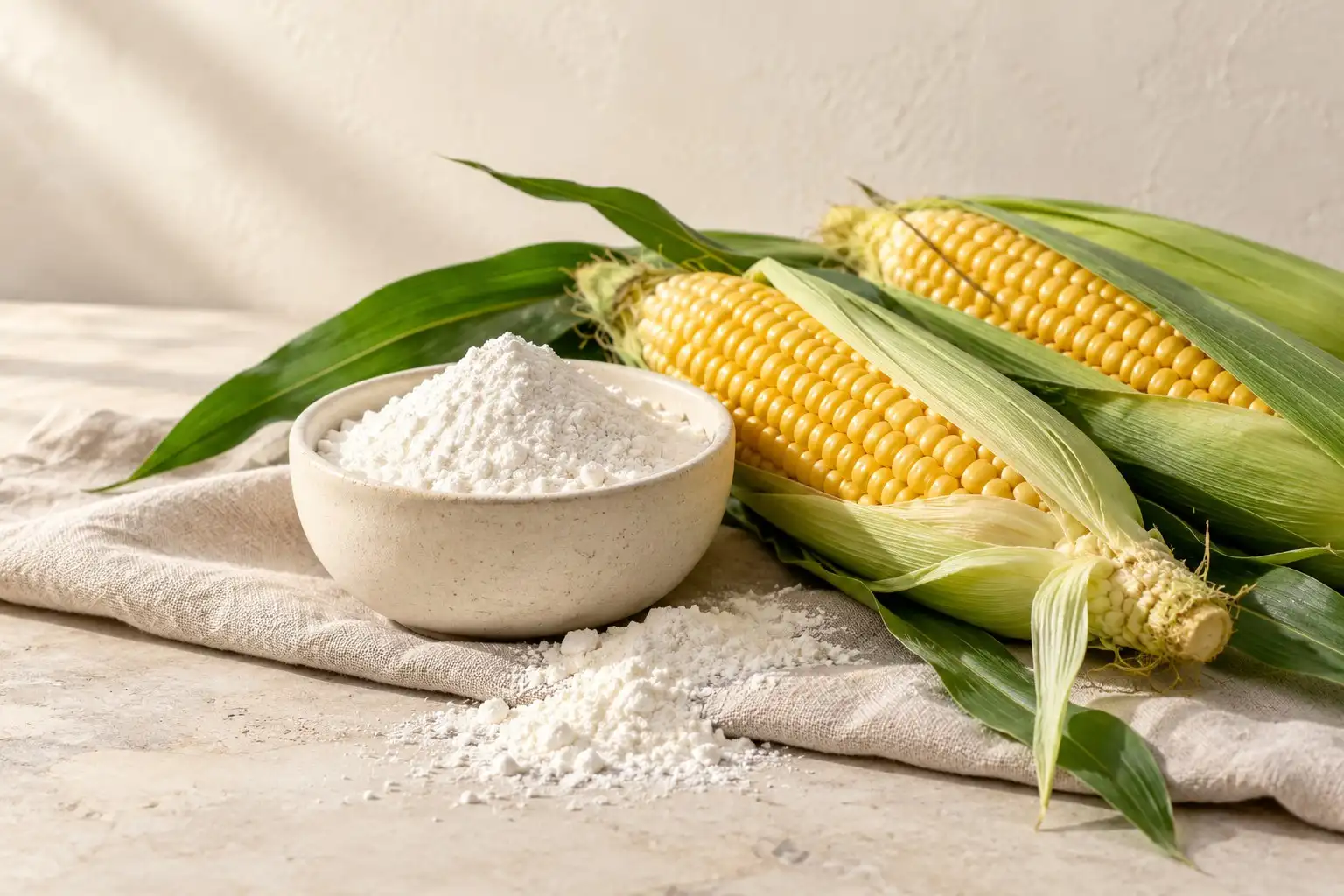
Plant starch
A renewable starch from crops forms the base of our material.
-
 02
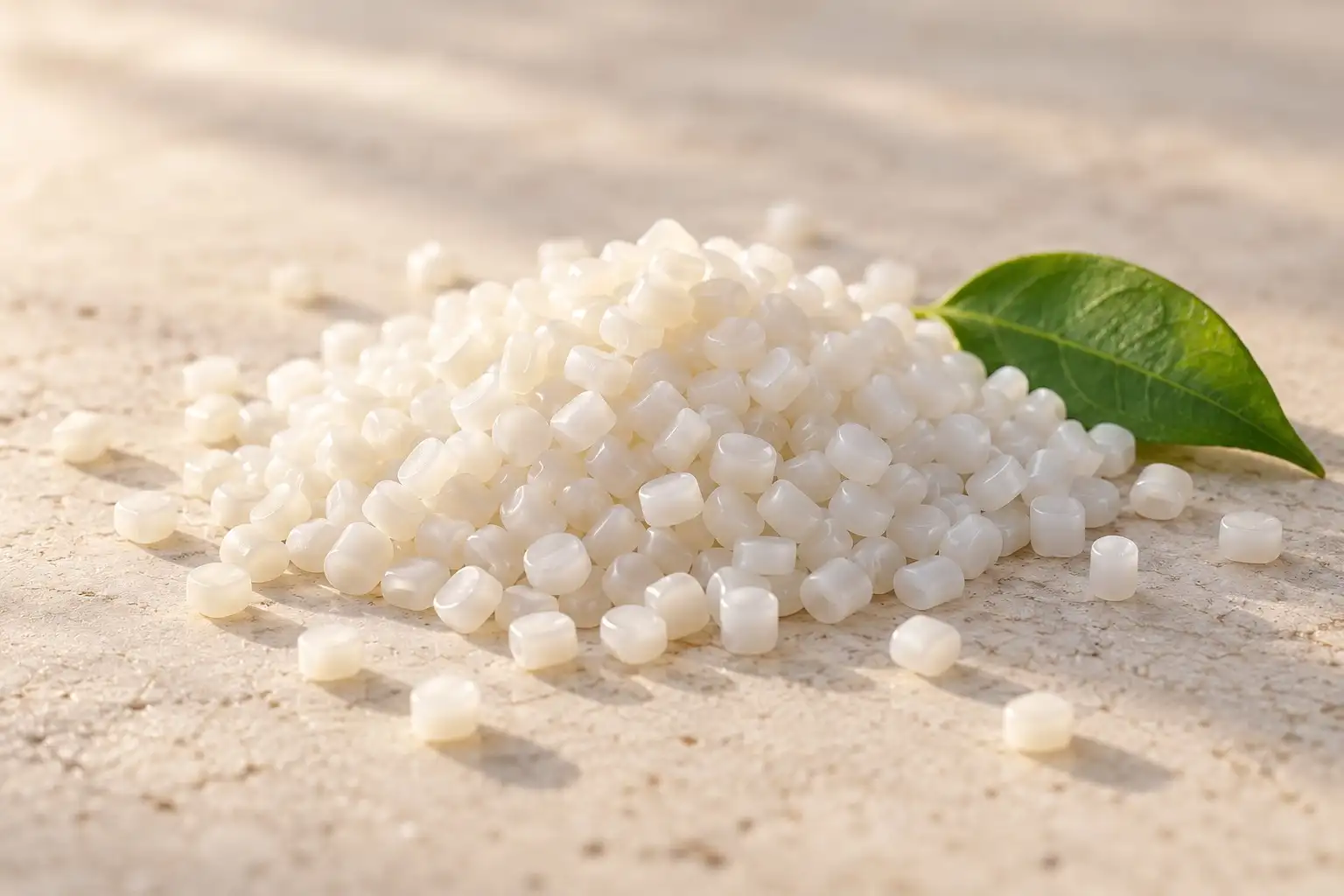
Compostable granules
The starch is blended into small granules designed to break down.
-
 03
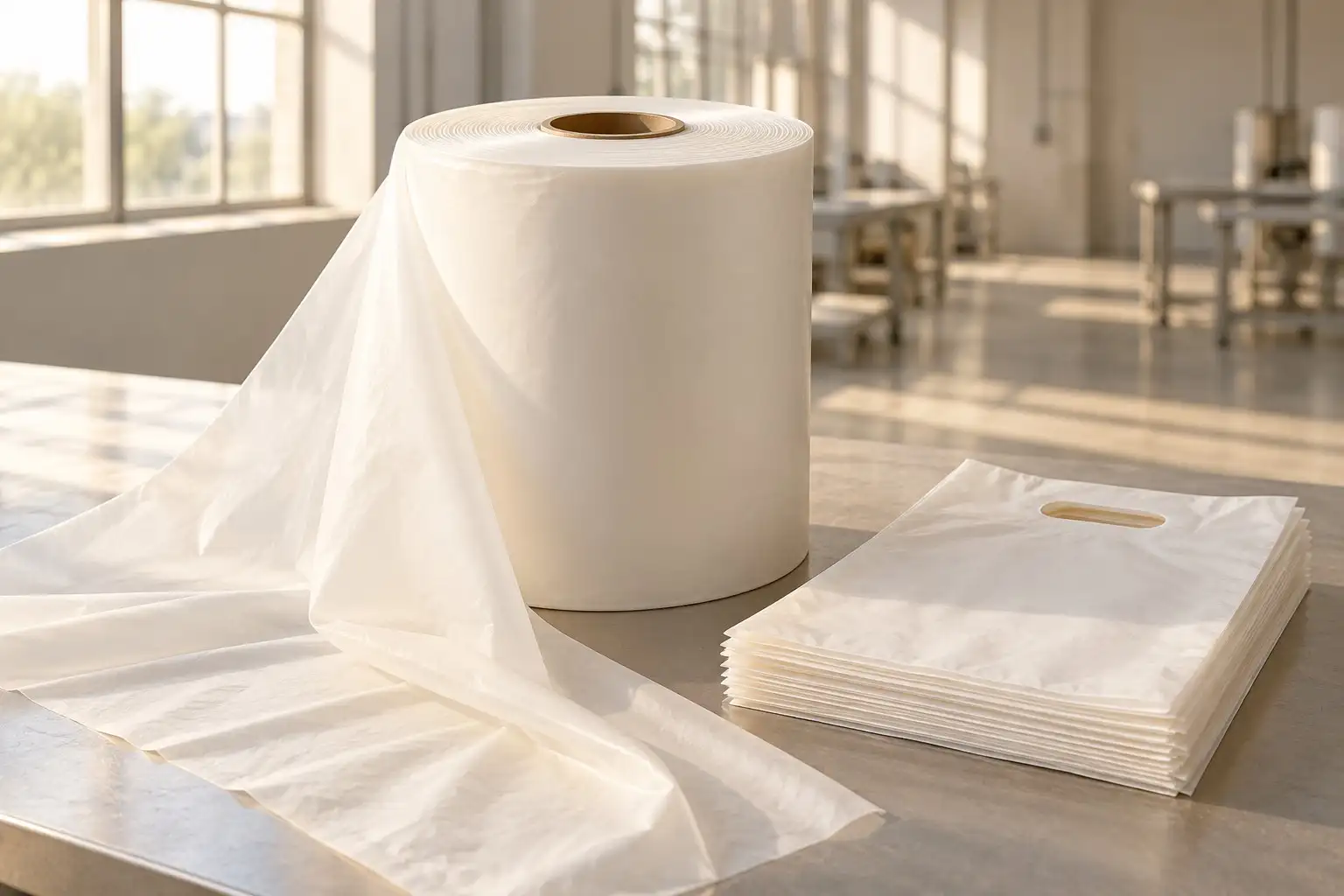
Soft, strong film
The granules are blown into film and made into bags in Harohalli.


Two words, used carefully
Both get used loosely on packaging. Here’s what we mean by them.
- Compostable
- In composting conditions, with heat, moisture, air and microbes, the material is broken down and becomes part of the compost. For our bags that takes about 180 days.
- Biodegradable
- Microorganisms can break the material down into natural substances such as water, carbon dioxide and biomass. How fast depends on where it ends up, which is why we always say where.
The lifecycle
Four stages,
one full circle.
From a crop in the field to compost in the soil. Here’s where a Be Eco Green bag comes from, and where it goes.
-
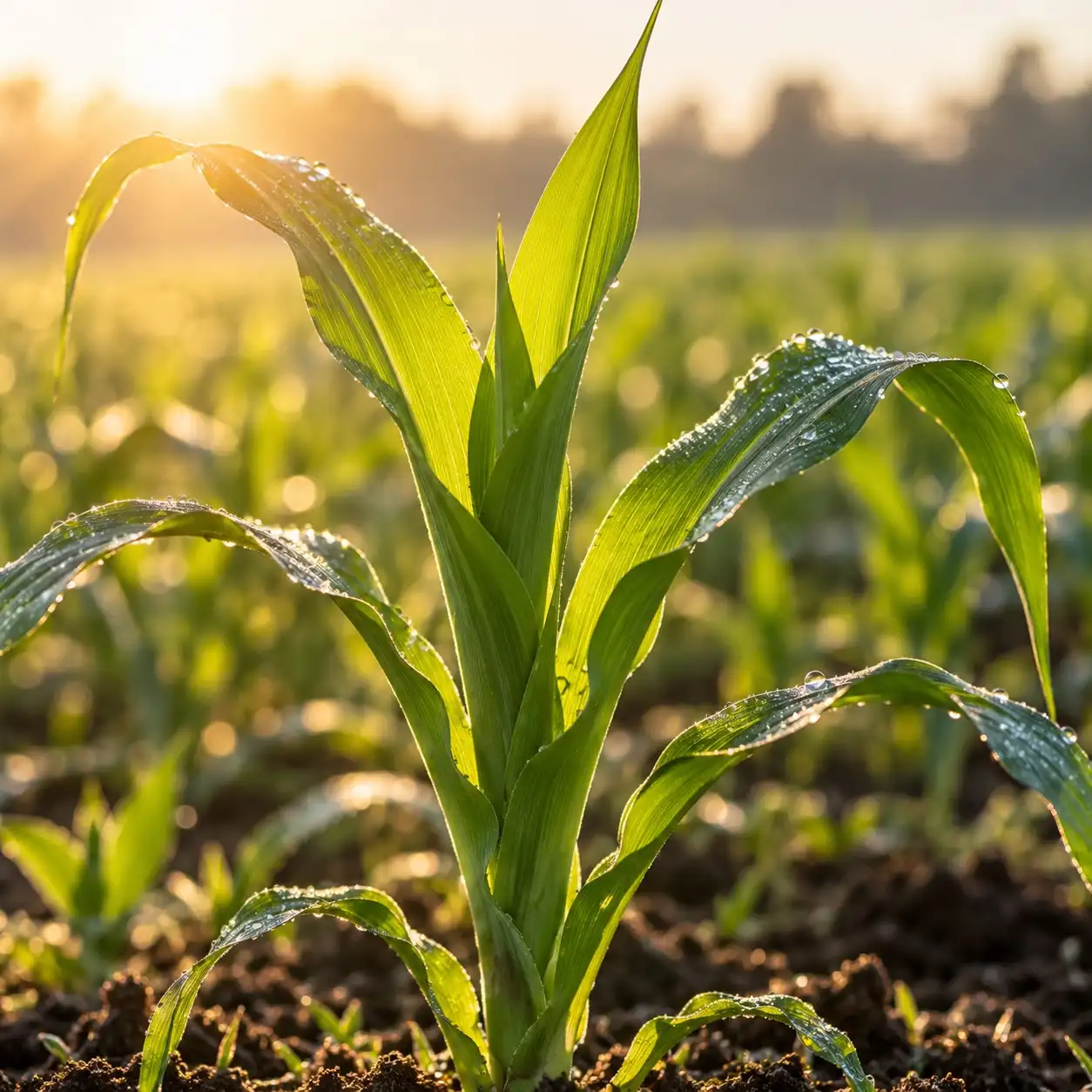
Natural resources
Our bags start with plant starch and compostable polymers.
It begins with plant starch from renewable crops, a resource that grows back every season instead of being drilled out of the ground.
-
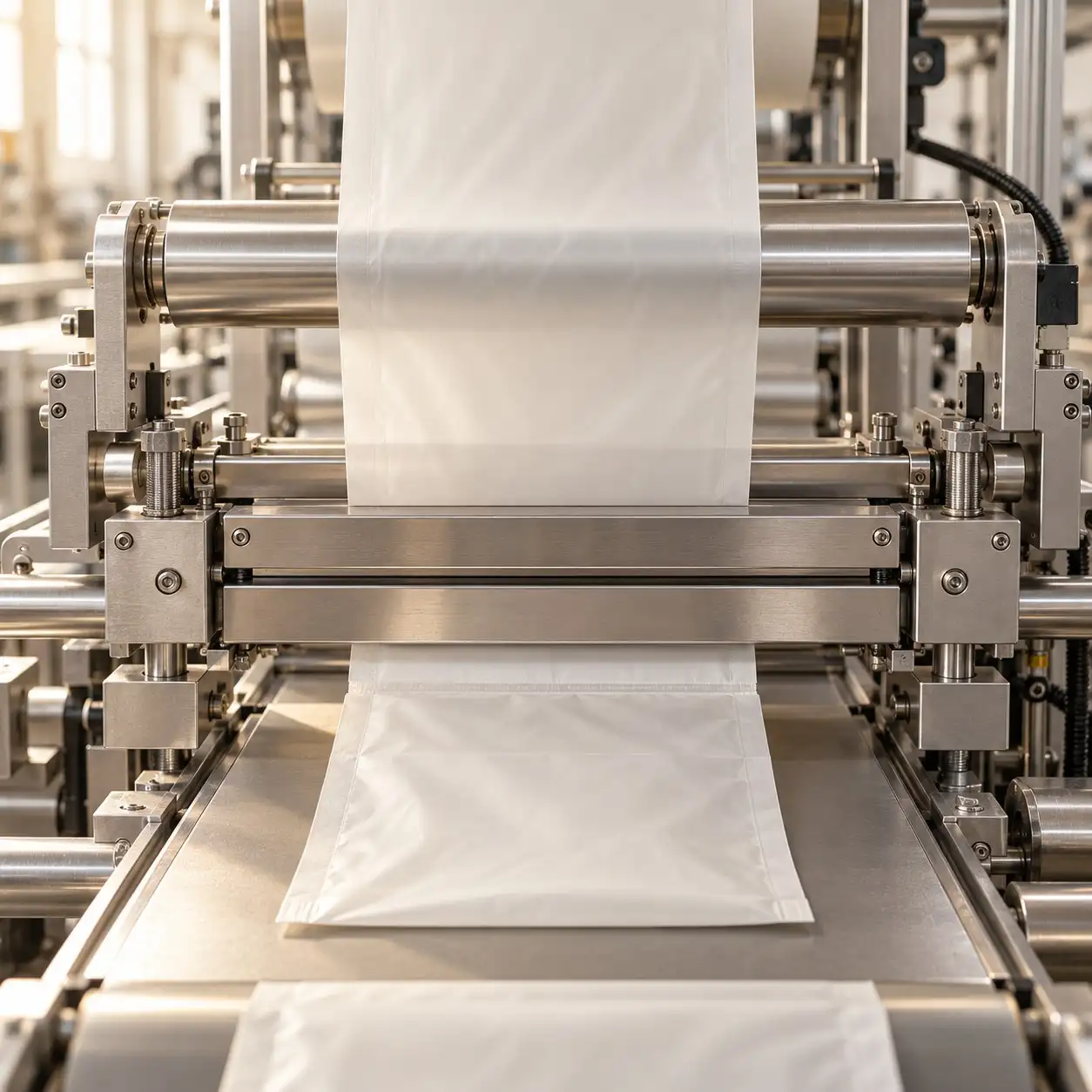
Made in Bengaluru
Formed into bags at our Harohalli unit.
At our Harohalli unit the material is blown into a soft, strong film, then cut, sealed and printed into bags, ready for your counter.
-
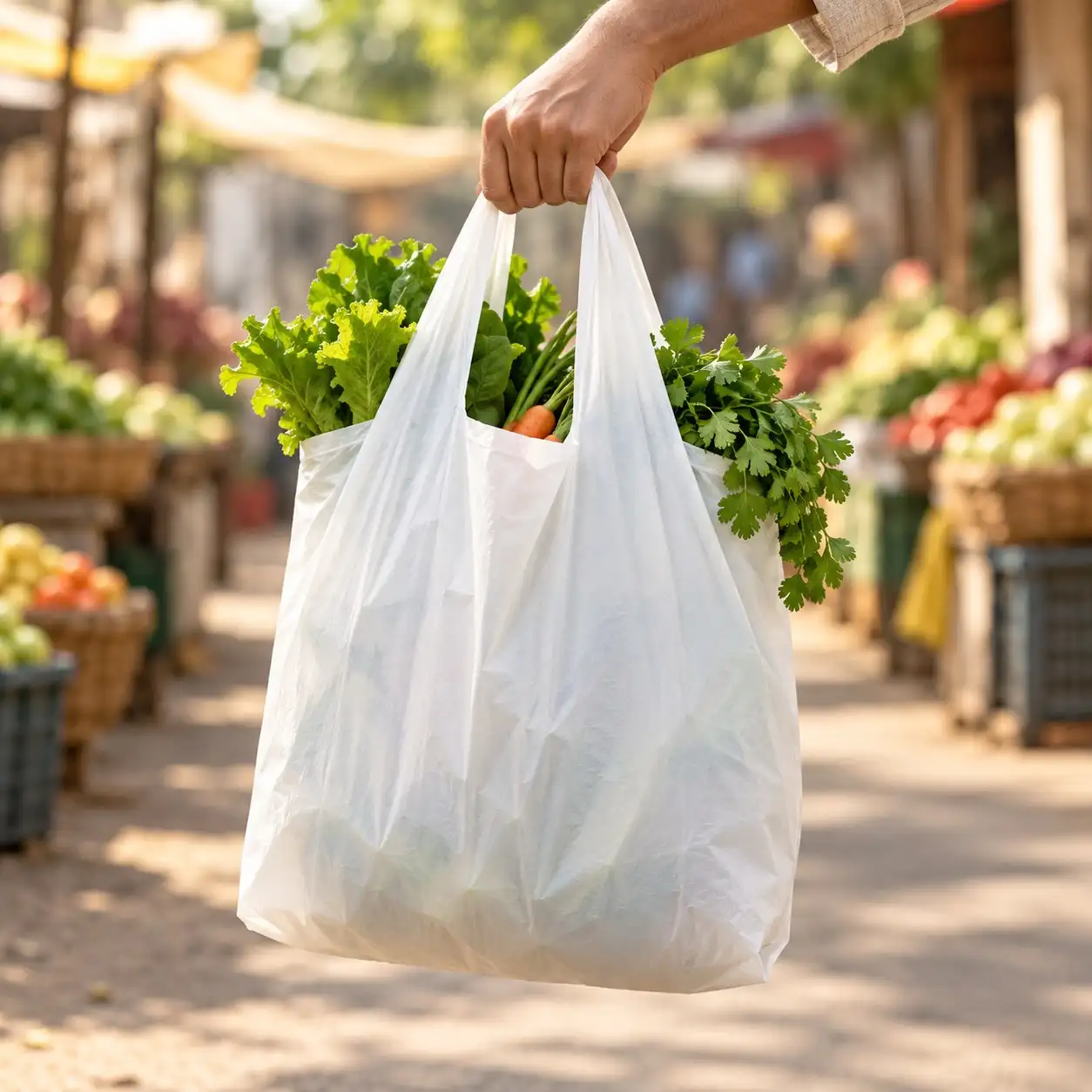
Used at your counter
Strong enough for everyday carrying.
Your customers carry groceries, takeaway, clothes and parcels in it, just like any everyday bag, with your brand on the outside.
-
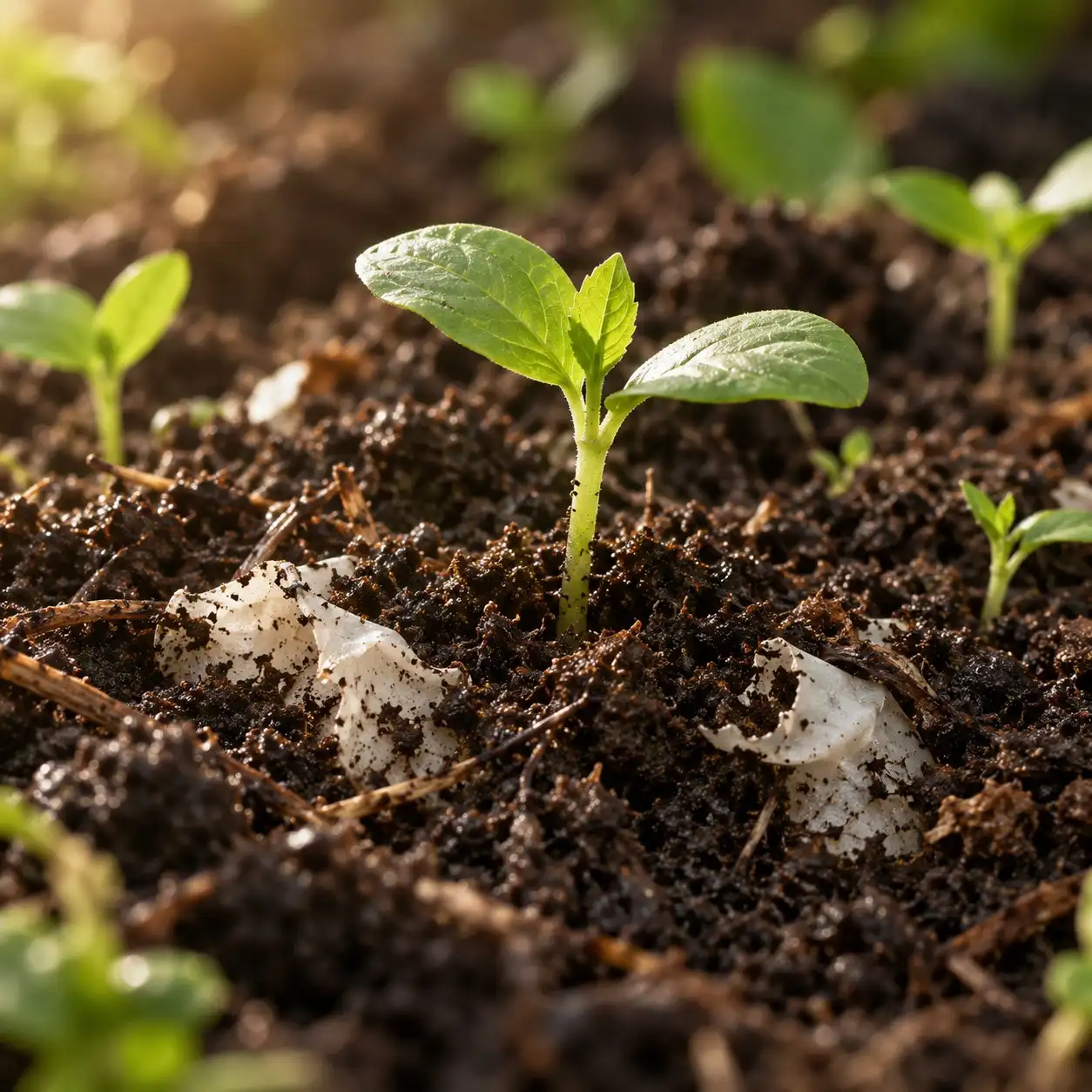
Back to the soil
Breaks down in about 180 days in composting conditions.
Put in compost or wet waste, it breaks down in about 180 days in composting conditions, returning to the earth instead of lingering for centuries.


An honest comparison
Compostable bags vs
ordinary plastic.
Where our bags do better, and where they ask a little more of you. No exaggeration either way.
| Be Eco Green bag | Ordinary plastic bag | |
|---|---|---|
| Made from | Corn starch and plant-based PLA, blended with compostable PBAT and PHA | Fossil fuels (petroleum-based resin) |
| After it’s thrown away | Breaks down in about 180 days in composting conditions | Stays in the environment for hundreds of years |
| What’s left behind | Becomes part of the compost and returns to the soil | Breaks into smaller and smaller plastic pieces |
| Everyday strength | Strong enough for groceries, takeaway, clothing and parcels | Strong enough for the same jobs |
| Where it goes after use | Wet waste or a compost pit | Dry waste, or plastic recycling where it’s accepted |
| Storage | Needs a cool, dry place away from direct sunlight and heat | Needs no special care |
| Logo printing | Yes, in your brand colours | Yes |
| Price | From ₹0.50 a bag (indicative) | Usually costs less per bag |
“About 180 days” means in composting conditions: heat, moisture, air and microbes, like a compost pit or a wet-waste facility. In a sealed landfill, without air and moisture, every material breaks down slowly, ours included. That’s why where the bag goes matters.
After use
How to dispose of them,
the right way.
A compostable bag only does its job if it ends up somewhere it can break down. A few simple habits make the difference.
-
Use it again first
A strong bag can do a second job: another shopping trip, or lining a kitchen bin.
-
Put it with wet waste
Add it to your wet (organic) waste, so it goes where food scraps and garden waste go.
-
Or into a compost pit
Bury it among kitchen and garden waste, where heat, moisture and microbes can break it down.
-
Keep it out of dry plastic
It isn’t ordinary plastic, so keep it out of the dry waste and plastic recycling stream.
-
Store unused bags well
Keep them in a cool, dry place away from direct sunlight and heat until you need them.
-
Buying for a business?
Tell us what you sell and how many bags you need. We’ll recommend the right bag and send a price.
Get in touch
FAQ
Questions,
answered plainly.
Prices, minimum orders, strength, printing, delivery and how the bags break down.
Didn’t find your question? Ask us directly. We reply Mon–Sat, 9am–6pm.
01 How much do the bags cost?
Carry and grocery bags start at ₹0.50–0.60 a bag, garbage bags at ₹1–2, courier bags from ₹3 and garment bags from ₹2 a bag, and made-to-order packaging from ₹160 per kg (indicative prices). Dustbin liners, D-cut bags and stretch film are priced by size. For bulk or printed orders, we quote by quantity. Message us and we’ll send the price.
02 Is there a minimum order?
Tell us how many bags you need and what you’ll use them for. We’ll recommend the right bag and the most economical quantity.
03 Are they strong enough for daily use?
Yes. They’re made for business use: groceries, takeaway, clothing, parcels and everyday waste. Tell us what goes inside and we’ll suggest the right bag.
04 How long do they take to break down?
About 180 days in composting conditions. Like any material, they break down slowly in a sealed landfill, so please dispose of them with wet waste or in compost.
05 Can you print our logo?
Yes. We print your logo and brand colours on carry, grocery, D-cut, garment and mailer bags. Send us your logo to get started.
06 Do you deliver?
Yes, we deliver across India, direct from our unit in Harohalli, Bengaluru. Tell us your city and quantity, and we’ll include delivery details with your quote.
07 Which bag should I choose?
Grocery and kirana stores usually pick Eco Grocery Bags; restaurants and cafés, Custom Carry Bags; boutiques, Garment Bags; online sellers, Courier & Mailer Bags; events and corporate gifting, Made-To-Order or D-Cut Handle Bags; homes, offices and kitchens, Garbage Bags and Dustbin Liners. Not sure? Tell us what you sell and we’ll recommend one.
08 How should we store them?
Keep them in a cool, dry place away from direct sunlight and heat.
09 Are these plastic bags?
They’re bioplastics: corn starch blended with compostable polymers (PLA, PBAT, PHA), made to be compostable and biodegradable. Unlike conventional plastic, which stays in the environment for centuries, they’re designed to break down.
Get a quote
Tell us what you pack.
We’ll send the right bag and price.
It takes about a minute. We reply on WhatsApp, Mon–Sat, 9am–6pm.